


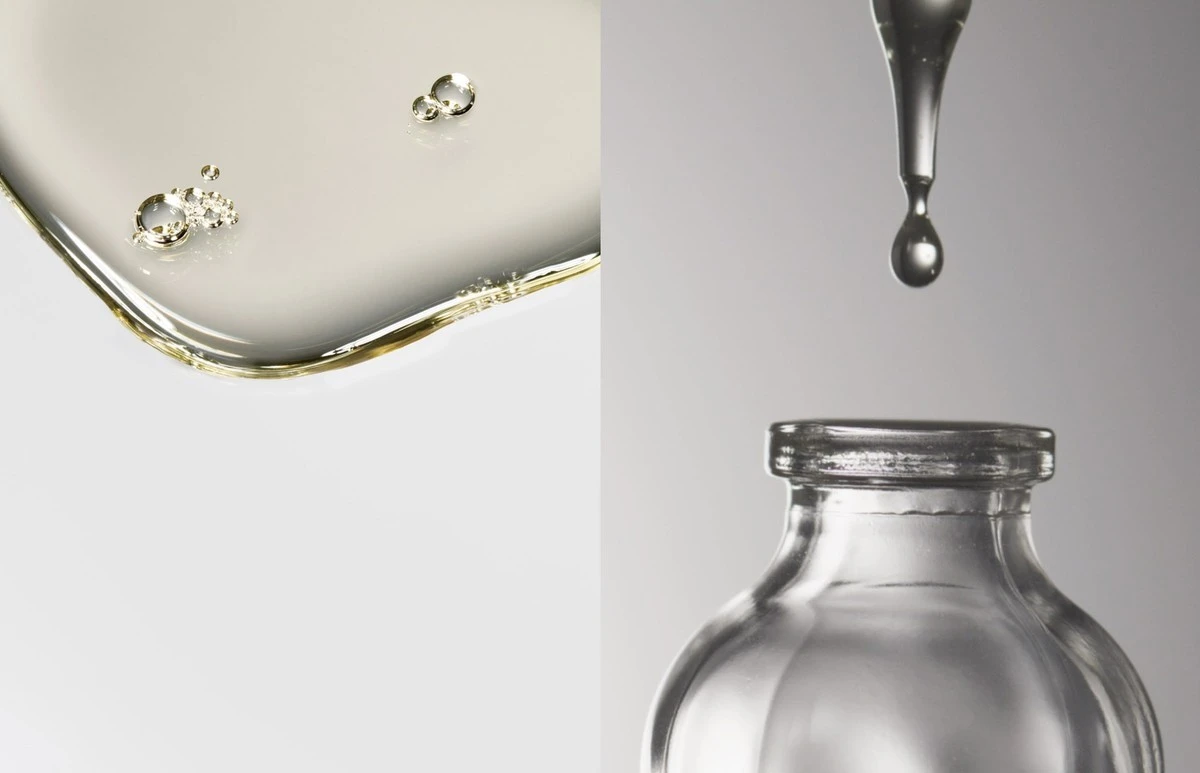
Drinking collagen
Collagen Drinks: The Real Deal
Hey beauties! ☝️
Today’s post is a bit unusual, but trust me—it’s super useful.
This is a practical guide that will save you from wasting money on useless collagen products and finally bring clarity to a topic that’s simple but surprisingly tricky: collagen.
We’ll talk about collagen supplements—what they really are and how to actually use them.
There are so many myths about collagen. Sometimes even pharmacists or sellers can’t give a clear answer. People get misled—mostly because they don’t know better—and manufacturers sometimes play little tricks, leaving out important info or mixing things up.
We all know collagen is essential. Low collagen = aging, weak joints, dull hair, and skin problems. Almost everyone has tried it at least once—and here’s where opinions diverge:
-
Some swear by it.
-
Some say it’s useless.
-
Some scream “Marketing nonsense!”
-
Others hype their own product like it’s magic.
Let’s figure out what actually works.
Collagen Types & Sources
Collagen supplements mainly come from two sources:
-
Animal (beef/chicken): Moderate absorption (~50%). Great for muscles, joints, and wounds. Usually hydrolyzed collagen, 3–10 kDa, mostly supporting Type II collagen.
-
Marine/fish collagen: Extracted from skin, cartilage, and scales. Highly absorbable (1–7 kDa), can support all collagen types, but the source matters!
Collagen Types:
-
Type I – skin, bones, ligaments
-
Type III – skin, blood vessels
-
Type II – cartilage and joints
-
Types IV–VII – skin structure, dermis-epidermis connection (framework of the skin)
No universal collagen exists for everything—don’t fall for that myth. Supplements won’t prioritize beauty after supplying joints. If you have chronic joint issues, don’t expect to fix hair, nails, and skin at the same time.
How Your Body Absorbs Collagen
Collagen works two ways:
-
Fibroblasts – these are skin/connective tissue cells. Collagen peptides stimulate them to produce Types I, III, IV, and VII (“beauty collagen”). Low-bioavailability collagen is broken down in the stomach, peptides enter the bloodstream, reach target cells, and signal them to build tissue. Fibroblasts don’t talk to chondrocytes, so this doesn’t help joints.
-
Chondrocytes – these are cartilage cells. They synthesize Type II collagen only. This affects joints, not skin or hair.
Some absorption also happens via gut immune cells, reducing cartilage inflammation.
Choosing the Right Collagen
Joint collagen (Type II) comes from chicken cartilage, beef/pork cartilage (horns, hooves, tails, tendons), and sometimes fish cartilage. If it comes from skin—it’s a different type, absorbed differently.
Type II collagen often includes MSM, glucosamine, chondroitin. Vitamin C and hyaluronic acid are added to all collagen types. Adding joint extras to Type I–III collagen is pointless.
If the type isn’t listed, and the seller shrugs… it’s probably Type I–III (labeled Hydrolyzed Collagen or Collagen Peptides).
Manufacturers sometimes turn collagen peptides into sticky, colored, flavored gel. In reality, pure peptides are clear, odorless, and soluble. Don’t fall for marketing tricks.
Bioavailability & Molecular Weight
Effectiveness depends on molecular weight (kDa):
-
Regular collagen: 300–400 kDa → hard to digest, not soluble
-
Hydrolyzed collagen: 3–10 kDa → partially broken down, absorbed slowly
-
Collagen peptides: 1–3 kDa → tiny, almost fully absorbed (98–99%), water becomes clear, no stickiness
Peptides are the most effective but also most expensive. Using low-bioavailability collagen = paying for what you won’t absorb.
Why Collagen Peptides Are Awesome
Peptides quickly enter the bloodstream, replenish collagen, and stimulate new production. Resistant to stomach acid, absorbed intact in the small intestine. Within 30 minutes, they peak in the blood and reach target tissues.
Mechanism: they simulate collagen damage → body freaks out → collagen production skyrockets → peptides themselves become building blocks.
Peptides can influence Types IV–VII, crucial for facial structure, firmness, and preventing sagging. Skincare ingredients like retinol and antioxidants also help these types.
Tips for Using Collagen
-
Identify your goal:
-
Beauty (skin, hair, nails) → Type I–III
-
Joints → Type II
-
-
Results: 2–3 months for regular collagen, 1 month for peptides
-
Take safely, daily, in proper doses
Bonus: Maximizing Collagen
In the next part, I’ll explain what enhances absorption, when collagen doesn’t work, and how to double its effect.
Now you can shop and use collagen confidently—no more guessing or wasting money.
Personally, I imported collagen peptides tailored to my needs—fast-absorbing and effective. They’re undergoing testing and certification, and soon I’ll start using only the best.
⚠️ Note (with a wink 😉):
Do NOT try any risky shortcuts! This trick is a financial hazard and might be dangerous for your sanity… and life!
Related Blog
Kako naterati negu da radi 40% efikasnije?
Feb 19, 2026 by Sasa
Beauty Blogs
Savršena Korejska Skincare Rutina – Vodič Za Početnike
Dec 16, 2025 by Sasa
Beauty Blogs
Hair Care: Answers to Questions
Aug 5, 2025 by Sasa
Beauty Blogs
How to Avoid Allergic Reactions When Using Medi-Peel Cosmetics for the First Time
Aug 5, 2025 by Sasa
Beauty Blogs